

Fire sprinkler systems are designed to activate quickly and stop fires before they spread, but they can only do their job if they’re kept in working condition. Over time, valves may seize, sprinkler heads can become obstructed, and corrosion may silently weaken the system from within.
NFPA 25 provides the rigorous inspection, testing, and maintenance regimen needed to keep fire sprinklers compliant and life-saving when called upon. In this blog, we’ll explain what the standard requires, why the testing intervals are critical, and what building owners risk when those requirements are ignored.
Scope and Purpose of NFPA 25
NFPA 25: Standard for the Inspection, Testing, and Maintenance of Water-Based Fire Protection Systems establishes the minimum requirements for maintaining the reliability of fire sprinkler systems and other water-based fire protection equipment. Its core objective is to detect system issues before a fire starts, so that sprinklers and related components function when lives are at risk.
First issued in 1992, NFPA 25 has become the benchmark for inspection and maintenance practices across the fire protection industry. It applies to a wide range of systems, including wet pipe, dry pipe, pre-action, deluge, fire pumps, and standpipes, and outlines specific tasks and intervals for inspecting, testing, and maintaining each component. While NFPA 13 tells you how to design and install a sprinkler system, NFPA 25 verifies that the system remains functional throughout its lifespan.
Latest Major Revisions
The 2026 edition of NFPA 25 continues the tradition of refining fire protection maintenance requirements to reflect new research, industry feedback, and emerging technologies. Notable changes in this latest edition include:
- Expanded Valve Testing: Annual internal inspections are now recommended for all dry, pre-action, and deluge valves.
- Electronic Monitoring Enhancements: New provisions establish clearer protocols for testing electronic supervision devices, such as tamper and pressure switches.
- Clarified Terminology: Definitions for terms like “abandoned systems” have been revised to support better enforcement and clearer scope decisions during inspections.
- Sprinkler Replacement Guidelines: The edition introduces a recommended 50-year replacement schedule for standard residential sprinklers.
- Extended Interval for Ice Obstruction Inspections: Allows ice obstruction inspection intervals
 to increase from annually to every three years in dry and pre-action systems that have had two consecutive clear inspections and maintain nitrogen concentrations of 98% or greater, or use a listed air dryer system. This aligns with FM Global’s update to Property Loss Prevention Data Sheet 2-81, which notes that high-purity nitrogen systems “maintain a low dew point and significantly reduce the formation of ice plugs in refrigerated areas,” reducing the need for disruptive pipe opening. Both standards recognize that nitrogen-supervised systems offer superior moisture control and operational reliability in cold storage applications.
Key Inspection and Testing Requirements Under NFPA 25
One common misconception among building owners and facility managers is that an annual inspection is all that’s needed for a sprinkler system. In reality, NFPA 25 outlines a comprehensive schedule of inspections and tests at intervals ranging from weekly to multi-year. Some quick visual checks can be performed in-house by facilities staff, while other tasks require the expertise of a qualified fire protection professional. Many of these activities are codified in fire regulations and enforced by the local Authority Having Jurisdiction (AHJ). Yet it’s not unusual for busy facilities to skip the interim checks between yearly inspections, which is a dangerous gap.
The NFPA 25 schedule is carefully designed to catch issues on different timescales: from obvious, immediate problems, such as a shut valve or low pressure that can be spotted during a weekly check, to subtle, long-developing problems like internal pipe corrosion or sediment buildup that may take years to become severe. Below is a high-level overview of the requirements of NFPA 25 at various intervals.
Weekly/Monthly Checks
Regular visual inspections confirm that the sprinkler system appears to be in good operating condition. For example, control valves should be verified to be open, properly sealed or locked, and free of tampering on a frequent basis. Gauges should also be looked at routinely. NFPA 25 recommends that air and water pressure gauges in dry or pre-action systems be checked weekly, whereas those on wet pipe systems can be checked monthly. These frequent check-ups are meant to catch glaring issues as soon as possible. If any abnormality is observed, it should be reported and fixed immediately rather than waiting for the quarterly or annual inspection.
Quarterly Tests
Every three months, a more in-depth round of testing is required on certain components. A key quarterly task is to activate the waterflow alarm on each sprinkler system to verify that it triggers properly. This typically involves flowing water through a test connection to make sure the alarm bell (or electronic signal) sounds when water moves in the pipes. Similarly, any electronic supervision devices are tested quarterly to confirm a warning is received if a control valve is closed or another fault occurs. The quarterly inspection by a fire protection contractor will also include a more thorough examination of sprinkler system valves, risers, and fire department connections to confirm that everything remains in normal operating condition (i.e., no debris in the FDC, no indications of valve impairment, etc.). The quarterly visit is designed to confirm that the system’s mechanical and monitoring features, which aren’t used on a day-to-day basis, will function when needed.
Annual Inspection and Testing
NFPA 25 mandates a full inspection and functional test of the entire sprinkler system at least once a year. Annual service must be performed by qualified fire protection professionals and involves a thorough, hands-on evaluation of all key components. Typical annual tasks include:
- Flowing water from remote test points to verify that the farthest sprinkler heads receive proper pressure and flow.
- Conducting a full fire pump performance test (if applicable) to confirm it meets the required pressure and GPM under load.
- Performing a visual inspection of all sprinkler heads to identify signs of corrosion, paint, obstruction, or damage.
- Exercising and testing all control valves and alarm devices (if not already tested during the quarterly checks).
- Conducting a trip test of dry-pipe or deluge valves to verify they activate properly and allow water into the piping.
- Inspecting the fire department connection (FDC) to confirm it is clear, labeled, and ready for emergency use.
At the conclusion of the annual visit, building owners receive documentation of any deficiencies that need correction and can move forward with confidence that the system is in working condition.
Multi-Year Testing (5-Year Intervals and Others)
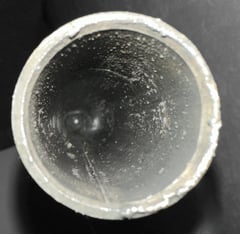
In addition to the routine yearly checks, NFPA 25 prescribes certain special tests at longer intervals to maintain long-term reliability and safety. The most notable is the 5-year internal pipe inspection: at a minimum every five years, a qualified inspector must examine the inside of the sprinkler piping (by opening up a section of pipe, or using a non-invasive method where allowed) to assess for any corrosion, tuberculation (mineral deposits), or sludge that could obstruct water flow. If significant buildup or rust is found, a more comprehensive obstruction investigation will be initiated to flush and remediate the issue.
→ Looking for NFPA 25 compliance support? Submit a pipe sample for expert analysis.
Five-year intervals also require other tasks, such as full backflow preventer performance testing and either testing or replacing all system pressure gauges, since mechanical gauges can drift out of calibration over time. Additionally, standpipe systems require a hydrostatic pressure test every 5 years, and some types of sprinkler heads must be laboratory tested or replaced on a 5, 10, or 20-year cycle, depending on their type and age. For example, fast-response sprinklers had a 20-year test interval, which was extended to 25 years in the 2023 edition, whereas standard spray sprinklers can last up to 50 years before undergoing sample testing.
4 Critical Consequences of Skipping NFPA 25 Sprinkler Testing
Given the thoroughness of NFPA 25’s schedule, some might ask: Do we really need all these inspections and tests? The answer is a resounding yes. Ignoring NFPA 25 maintenance is a recipe for disaster. A neglected sprinkler system might not work when you need it most, turning a small fire (easily controlled by a sprinkler) into a raging blaze.
1. Catastrophic System Failure in a Fire
The most severe risk is that your sprinkler system may not function during an actual fire due to an undetected problem. A closed valve, corroded pipe, or other maintenance issue can render the system useless when the sprinklers should be fighting a fire. A fire at the Warm Springs Lodge in Idaho caused extensive damage after the facility’s sprinkler system failed to activate in critical areas. Investigators found that five sprinkler heads located directly above the fire never activated due to blocked or disconnected piping, allowing the blaze to spread unchecked.
Tragically, a proper inspection and testing program could have identified these deficiencies before the fire. When systems are properly maintained, the outcomes are vastly better. Sprinklers that are regularly tested and maintained have an extraordinarily high reliability, controlling 97% of fires where they operate as designed. The difference between a minor fire incident and a multi-million-dollar catastrophe often comes down to whether the sprinkler system has been kept in working order.
2. Fire Code Violations and Penalties
Failing to comply with NFPA 25 can quickly put a building on the wrong side of local fire codes. Authorities Having Jurisdiction (fire marshals, inspectors, etc.) have the power to enforce these maintenance requirements. Consequences for non-compliance vary by locale, but they can be severe, ranging from fines and violation notices to loss of your occupancy permit, or even forced closure of the building until the fire protection systems are restored to compliance. It’s common for fire departments to require an impaired sprinkler system to be mitigated by a 24/7 fire watch (hiring personnel to patrol the building for fires at the owner’s expense) if inspections reveal the system is non-functional.
No building owner or manager wants to deal with such disruptions or liabilities. Skipping required testing can result in your facility being red-tagged by the fire department. Since most jurisdictions adopt NFPA 25, an owner has little defense for ignoring it. Staying on top of inspections helps maintain good standing with code officials and prevents surprise enforcement actions down the line.
3. Insurance Consequences: Denied Claims or Loss of Coverage
Building insurers overwhelmingly expect that fire sprinkler systems will be maintained in accordance with NFPA 25. In fact, many insurance companies explicitly require NFPA 25 compliance and may even send their own inspectors or request proof of inspection reports. If a fire occurs and it comes to light that you neglected maintenance or ignored known deficiencies, you risk having your insurance claims partially or entirely denied.
One facility experienced a fire, and afterward, the insurer discovered the owner had skipped the required NFPA 25 inspections. The result? The insurance company denied about $350,000 of the claim for fire damage, specifically citing the owner’s non-compliance with NFPA 25 and local codes. A judge upheld the insurer’s decision in court, leaving the owner on the hook for those costs. Some insurance carriers might even cancel your coverage or raise premiums if they learn you aren’t properly maintaining your sprinkler system. Ultimately, from an insurer’s perspective, a sprinkler system that isn’t maintained poses a significant risk, and they may not pay out for a loss that could have been prevented by adhering to the standards. It’s far less costly to maintain compliance than to face an uncovered fire loss.
4. Liability and Legal Exposure
Beyond code and insurance issues, neglecting fire sprinkler maintenance opens up serious liability. If a fire leads to injuries or fatalities and investigators determine the sprinkler system failed due to lack of maintenance, the building owner could face lawsuits for negligence or wrongful death and even potential criminal charges in cases of egregious neglect. For instance, if an owner knowingly disables or ignores a critically impaired sprinkler system and a fire tragedy occurs, prosecutors have pursued charges under life-safety laws. At the very least, civil litigation following a fire will scrutinize maintenance records. An owner who cannot demonstrate NFPA 25 compliance may be perceived as irresponsible and held liable for a greater share of the damages.
On the flip side, being able to show a jury or judge that you diligently followed all inspection and testing requirements can significantly defend against claims of gross negligence. The legal bottom line: documented compliance is your best protection after a fire event. No one wants to be in the position of saying “if only we had checked the sprinklers” after an avoidable disaster. Following NFPA 25 helps guarantee you’ll never have to live with that regret.
Partner with ECS for NFPA 25 Compliance Confidence
Failing to comply with NFPA 25 doesn’t just risk a code violation. It undermines the very purpose of having a fire sprinkler system. The sprinklers can’t save lives or property if they’re not working, and it’s routine inspections and testing that keep them ready. The peace of mind that comes from knowing your system will perform in an emergency is irreplaceable. And from a business perspective, the costs of proper maintenance are trivial compared to the potential losses from a single fire that spirals out of control or an insurance claim that gets denied.
If all of this sounds overwhelming, remember that you don’t have to navigate it alone. ECS offers specialized corrosion management services to help building owners maintain NFPA 25 compliance and keep their fire sprinkler systems in peak condition. Schedule a corrosion assessment today and gain the insight needed to take confident, corrective action.