 Creating Predictable, Recurring Revenue Programs
Structuring service offerings into recurring maintenance packages protects profit margins and stabilizes business cash flow. Proactive agreements turn one-time repair clients into long-term accounts.
Packaging Maintenance as a Subscription
Service providers can convert one-off calls into steady recurring revenue by bundling essential services into multi-year maintenance packages. Combining required 5-year internal inspections, routine flushing, low-point drainage, and creates predictable annual income.
|
Program Tier |
Included Services |
Primary Business Outcome |
|
Basic Compliance |
5-Year Inspections |
Baseline risk tracking & steady code compliance |
|
Comprehensive Health |
Annual NDT Scanning & Low-Point Drainage |
Active leak reduction & steady service margin |
|
Total Preservation |
Nitrogen Inerting, Automated Venting & Monitoring |
Maximum pipe lifespan & high-margin retention |
Scheduling on Your Own Terms
Recurring maintenance programs shift workload from chaotic late-night calls to planned, daytime business hours. This stabilizes labor utilization, slashes expensive overtime, and improves technician retention.
Building a Moat Around Your Clients
Multi-year proactive contracts build a strong competitive barrier around a client portfolio. When a team manages a building’s ongoing system health, competing firms are effectively blocked from bidding on routine work or major equipment upgrades.
 The Ultimate Upsell: Comprehensive Corrosion Mitigation Systems
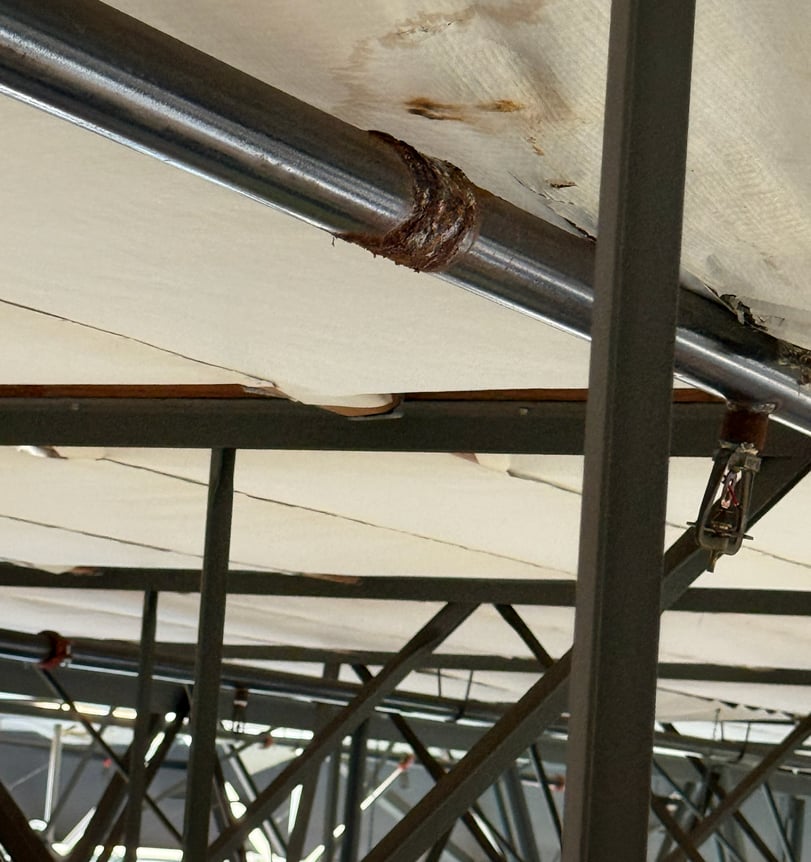
Addressing the root cause of internal corrosion across both dry and wet pipe systems unlocks major equipment and service sales. Educating clients on how oxygen destroys steel pipes allows service teams to pitch complete, system-wide protection rather than temporary band-aids.
Stopping Corrosion in Dry, Preaction, and Wet Systems
Oxygen is the primary catalyst for pipe corrosion in fire sprinkler systems, but it attacks dry and wet systems differently:
- Dry and Preaction Systems: Standard air compressors continuously pump oxygen-rich compressed air into pipes. Replacing air with 98%+ pure nitrogen gas eliminates oxygen and stops corrosion entirely.
- Wet Pipe Systems: Trapped air pockets created during filling or testing create aggressive corrosion zones along the air-water interface. Utilizing wet pipe nitrogen inerting systems and automatic air vents purges trapped oxygen, preventing localized pinhole leaks in wet lines.
High-Margin Equipment and Installation Sales
Offering specialized corrosion mitigation equipment shifts revenue from low-margin pipe fittings to high-value capital equipment projects. Selling, installing, and servicing nitrogen generators, wet-system inerting setups, and automatic vents delivers significantly higher profit dollars while establishing long-term value for the customer.
Long-Term System Monitoring and Maintenance Add-Ons
To build predictable, ongoing service income, teams can integrate secondary monitoring and venting accessories into maintenance agreements:
- Corrosion Monitoring: In-line monitoring allows technicians to measure actual metal loss and track corrosion rates in wet and dry systems without interrupting protection.
- Automated Air and Nitrogen Vents: Automatic venting units that purge trapped air in wet systems and maintain high nitrogen purity in dry systems.
- Annual Equipment Service Contracts: Multi-year service agreements for generator filter replacements, air vent inspections, compressor checks, and nitrogen purity verification.
 Aligning with Codes and Compliance for Easy Sales
National safety codes and property insurance requirements create natural doorways for pitching corrosion control programs. Leveraging compliance requirements simplifies the sales process for field representatives.
Leveraging NFPA 25 Requirements
National fire codes provide natural sales opportunities. NFPA 25 mandates 5-year internal pipe inspections to check for internal blockage. Instead of treating this as a basic code requirement, service teams can use it as an opportunity to deliver detailed assessments and pitch long-term corrosion solutions.
Partnering with Insurance Drivers
Property insurance underwriters are increasingly focused on reducing water damage claims from failed fire sprinkler systems. Demonstrating a proactive nitrogen inerting and corrosion management plan reduces the facility's risk profile, often helping property owners secure better coverage or lower deductibles.